
From Consumer Welfare To Fairness: A Functional Framework For Controlling Digital Markets And Beyond Under EU Competition Law
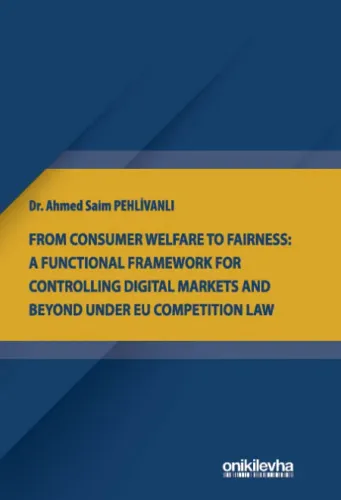
Dr. Ahmed Saim Pehlivanlı
TABLE OF CONTENTS
CHAPTER 1:
INTRODUCTION
1.1. This Study
1.2. Research Questions
1.3. Methodology of the Research and Limitations
1.3.1. Doctrinal and Comparative Analysis
1.3.2. Regulatory-Policy Analysis
1.3.3. Empirical Text-Mining of the Fairness Rhetoric
1.3.4. Normative Framework Design and Scenario Testing
1.3.5. Cross-Cutting Reliability and Limitations
1.4. Chapter Breakdown
1.4.1. Chapter 2
1.4.2. Chapter 3
1.4.3. Chapter 4
1.4.4. Chapter 5
1.4.5. Chapter 6
1.4.6. Chapter 7
1.5. Original Contribution of the Research
CHAPTER 2:
NEW REALITIES OF THE DIGITAL ECONOMY: CHALLENGES FOR THE EU COMPETITION LAW
2.1. Introduction
2.2. Characteristics of the Digital Economy
2.2.1. Network Effects
2.2.2. Pricing Structure
2.2.3. Critical Mass, Multi-Homing and Switching Costs
2.2.4. Reliance on Data
2.2.5. Diversification of Business Models and Vertical Integration
2.2.6. The Tendency to Grow Over Profits
2.2.7. Competition for the Market
2.2.8. Tendency for Oligopoly
2.3. Difficulties in the Examination of Digital Conduct
2.3.1. Market Delineation
2.3.2. Assessment of Dominance and Market Power
2.4. Conclusions
CHAPTER 3:
THE MAINSTREAM GOAL OF THE EU COMPETITION LAW: FOUNDATIONS AND CRITICISMS OF CONSUMER WELFARE
3.1. Introduction
3.2. Background
3.3. Fundamentals of Total Welfare
3.4. Different Interpretations of Consumer Welfare
3.4.1. Consumer Surplus Standard Narrow Consumer Welfare
3.4.2. Extended Consumer Welfare
3.4.3. Consumer Welfare Focused on the Choice and Consumer Sovereignty
3.5. Criticisms Targeting Welfarist Goals
3.5.1. Criticisms on Economic Theoretical Grounds
3.5.2. Criticisms on the Digital Economy Grounds
3.6. Interpretation of Consumer and Consumer Welfare Concepts in the EU
3.6.1. The Place of Consumers Before the Introduction of Consumer Welfare
3.6.2. Introduction of Consumer Welfare by the Commission
3.6.3. Reflection of Consumer Welfare in Soft Law
3.6.4. Reflection of Consumer Welfare in Case Law
3.7. Conclusions
CHAPTER 4:
GATEKEEPERS, FAIRNESS AND THE CONCURRENT ENFORCEMENT DILEMMA: A CRITICAL ASSESSMENT OF THE DMA
4.1. Introduction
4.2. Rationale and Goals of the DMA
4.2.1. The Process Leading to the DMA
4.2.2. The Right not to Be Prosecuted and Punished Twice
4.2.3. Complementary Nature and Objectives of the DMA
4.3. DMA's Approach to Structural Failures
4.3.1. Background of DMA Implementation Standards
4.3.2. Solutions of the DMA
4.4. Criticisms of the DMA
4.4.1. Criticisms on Goals and Legal Ground
4.4.2. Criticisms on the DMA's Approach to Structural Failures
4.5. Conclusions
CHAPTER 5:
FROM FOOTNOTE TO FRONT STAGE: THE RISE OF FAIRNESS RHETORIC IN EU COMPETITION LAW DISCOURSE
5.1. Introduction
5.2. Rhetorical Shift in Fairness and Consumer Welfare Language
5.2.1. Methodology for Measuring the Language Change
5.2.2. Findings on Rhetorical Change in Fairness and Consumer Welfare Language
5.3. Linking the DMA Obligations to Their Jurisprudential Origins
5.3.1. Methodology for Linking the DMA Obligations to the Case Law
5.3.2. Findings on Case-Law Foundations of the DMA's Fairness Catalogue
5.4. Synthesis of Rhetorical Change and Case Law Findings
5.5. Conclusions
CHAPTER 6:
FROM DESIGN TO DEPLOYMENT: A FUNCTIONAL FAIRNESS FRAMEWORK OF TEST, CATALOGUE AND GATEWAY
6.1. Introduction
6.2. Pluralism and Public Policy Goals in EU Competition Law
6.2.1. Historical Roots of Pluralism
6.2.2. Inventory of Public Policy Considerations
6.2.3. The Consumer Welfare Turn and the Purpose Instrument Confusion
6.2.4. Advancing Analytical Tests Over Goal Labels in EU Competition Law
6.3. Operationalising Fairness in EU Competition Law
6.3.1. The Ambiguity of Fairness
6.3.2. Fairness as a Structured Proportionality Filter
6.3.3. Compatibility with Consumer Welfare Analysis
6.3.4. Clarifications for Possible Criticisms
6.4. Development of a Functional Fairness Framework
6.4.1. Deriving the Proportionality-Based Fairness Test
6.4.2. Fairness Behaviour Catalogue
6.4.3. DMA Alignment and the Single Gateway Rule
6.5. Cross-Sector Transferability
6.5.1. Energy Data Access and Smart-Meter Gatekeepers
6.5.2. Open Banking APIs and Access Discrimination in FinTech
6.5.3. Digital-Health Triage and Self-Referral Bias
6.5.4. Further Suggestions for Contemporary Risk Domains
6.6. Conclusions
CHAPTER 7: CONCLUSIONS
APPENDIX: CENTRAL PARAGRAPH CORPUS
BIBLIOGRAPHY
Dr. Ahmed Saim Pehlivanlı
TABLE OF CONTENTS
CHAPTER 1:
INTRODUCTION
1.1. This Study
1.2. Research Questions
1.3. Methodology of the Research and Limitations
1.3.1. Doctrinal and Comparative Analysis
1.3.2. Regulatory-Policy Analysis
1.3.3. Empirical Text-Mining of the Fairness Rhetoric
1.3.4. Normative Framework Design and Scenario Testing
1.3.5. Cross-Cutting Reliability and Limitations
1.4. Chapter Breakdown
1.4.1. Chapter 2
1.4.2. Chapter 3
1.4.3. Chapter 4
1.4.4. Chapter 5
1.4.5. Chapter 6
1.4.6. Chapter 7
1.5. Original Contribution of the Research
CHAPTER 2:
NEW REALITIES OF THE DIGITAL ECONOMY: CHALLENGES FOR THE EU COMPETITION LAW
2.1. Introduction
2.2. Characteristics of the Digital Economy
2.2.1. Network Effects
2.2.2. Pricing Structure
2.2.3. Critical Mass, Multi-Homing and Switching Costs
2.2.4. Reliance on Data
2.2.5. Diversification of Business Models and Vertical Integration
2.2.6. The Tendency to Grow Over Profits
2.2.7. Competition for the Market
2.2.8. Tendency for Oligopoly
2.3. Difficulties in the Examination of Digital Conduct
2.3.1. Market Delineation
2.3.2. Assessment of Dominance and Market Power
2.4. Conclusions
CHAPTER 3:
THE MAINSTREAM GOAL OF THE EU COMPETITION LAW: FOUNDATIONS AND CRITICISMS OF CONSUMER WELFARE
3.1. Introduction
3.2. Background
3.3. Fundamentals of Total Welfare
3.4. Different Interpretations of Consumer Welfare
3.4.1. Consumer Surplus Standard Narrow Consumer Welfare
3.4.2. Extended Consumer Welfare
3.4.3. Consumer Welfare Focused on the Choice and Consumer Sovereignty
3.5. Criticisms Targeting Welfarist Goals
3.5.1. Criticisms on Economic Theoretical Grounds
3.5.2. Criticisms on the Digital Economy Grounds
3.6. Interpretation of Consumer and Consumer Welfare Concepts in the EU
3.6.1. The Place of Consumers Before the Introduction of Consumer Welfare
3.6.2. Introduction of Consumer Welfare by the Commission
3.6.3. Reflection of Consumer Welfare in Soft Law
3.6.4. Reflection of Consumer Welfare in Case Law
3.7. Conclusions
CHAPTER 4:
GATEKEEPERS, FAIRNESS AND THE CONCURRENT ENFORCEMENT DILEMMA: A CRITICAL ASSESSMENT OF THE DMA
4.1. Introduction
4.2. Rationale and Goals of the DMA
4.2.1. The Process Leading to the DMA
4.2.2. The Right not to Be Prosecuted and Punished Twice
4.2.3. Complementary Nature and Objectives of the DMA
4.3. DMA's Approach to Structural Failures
4.3.1. Background of DMA Implementation Standards
4.3.2. Solutions of the DMA
4.4. Criticisms of the DMA
4.4.1. Criticisms on Goals and Legal Ground
4.4.2. Criticisms on the DMA's Approach to Structural Failures
4.5. Conclusions
CHAPTER 5:
FROM FOOTNOTE TO FRONT STAGE: THE RISE OF FAIRNESS RHETORIC IN EU COMPETITION LAW DISCOURSE
5.1. Introduction
5.2. Rhetorical Shift in Fairness and Consumer Welfare Language
5.2.1. Methodology for Measuring the Language Change
5.2.2. Findings on Rhetorical Change in Fairness and Consumer Welfare Language
5.3. Linking the DMA Obligations to Their Jurisprudential Origins
5.3.1. Methodology for Linking the DMA Obligations to the Case Law
5.3.2. Findings on Case-Law Foundations of the DMA's Fairness Catalogue
5.4. Synthesis of Rhetorical Change and Case Law Findings
5.5. Conclusions
CHAPTER 6:
FROM DESIGN TO DEPLOYMENT: A FUNCTIONAL FAIRNESS FRAMEWORK OF TEST, CATALOGUE AND GATEWAY
6.1. Introduction
6.2. Pluralism and Public Policy Goals in EU Competition Law
6.2.1. Historical Roots of Pluralism
6.2.2. Inventory of Public Policy Considerations
6.2.3. The Consumer Welfare Turn and the Purpose Instrument Confusion
6.2.4. Advancing Analytical Tests Over Goal Labels in EU Competition Law
6.3. Operationalising Fairness in EU Competition Law
6.3.1. The Ambiguity of Fairness
6.3.2. Fairness as a Structured Proportionality Filter
6.3.3. Compatibility with Consumer Welfare Analysis
6.3.4. Clarifications for Possible Criticisms
6.4. Development of a Functional Fairness Framework
6.4.1. Deriving the Proportionality-Based Fairness Test
6.4.2. Fairness Behaviour Catalogue
6.4.3. DMA Alignment and the Single Gateway Rule
6.5. Cross-Sector Transferability
6.5.1. Energy Data Access and Smart-Meter Gatekeepers
6.5.2. Open Banking APIs and Access Discrimination in FinTech
6.5.3. Digital-Health Triage and Self-Referral Bias
6.5.4. Further Suggestions for Contemporary Risk Domains
6.6. Conclusions
CHAPTER 7: CONCLUSIONS
APPENDIX: CENTRAL PARAGRAPH CORPUS
BIBLIOGRAPHY
| Taksit Sayısı | Taksit tutarı | Genel Toplam |
|---|---|---|
| Tek Çekim | 712,50 | 712,50 |
| Taksit Sayısı | Taksit tutarı | Genel Toplam |
|---|---|---|
| Tek Çekim | 712,50 | 712,50 |
| Taksit Sayısı | Taksit tutarı | Genel Toplam |
|---|---|---|
| Tek Çekim | 712,50 | 712,50 |
-
%3İNDİRİM500,00TL 485,00TL