





Integrating Tort Liability and Safety Regulations for the Governance of Unmanned Aircraft and Ship Sectors
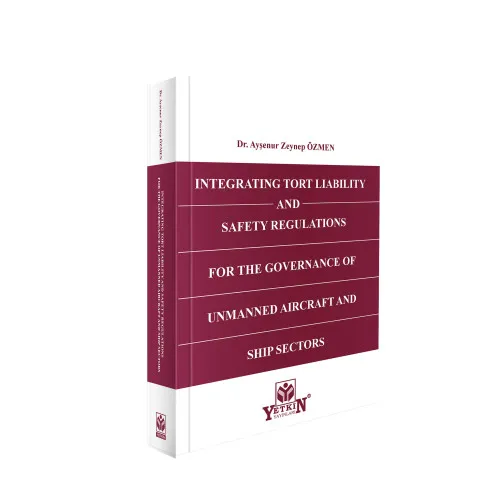
Dr. Ayşenur Zeynep ÖZMEN
Table of Contents
FOREWORD
LIST OF ABBREVIATIONS
LIST OF GRAPHS
LIST OF TABLES
LIST OF LEGISLATION, CASES, INTERNATIONAL CONVENTIONS AND REGULATIONS
1. International Conventions & Protocols
2. European Union Legislation and Guidelines
3. National Legislation
4. Declarations
5. International Organisations’ Guidelines
6. Cases
PART I: UNMANNED VEHICLE TECHNOLOGY
CHAPTER 1: INTRODUCTION TO THE STUDY
1. Research Questions
2. Motives For Research
2.1. A Common Approach to Unmanned Ships and Aircraft
2.2. Integration of Tort Liability and Safety Regulations
3. Scope
3.1. What Research Will Cover?
3.2. What Research Will Not Cover?
4. Originality
5. Methodology Choices
6. Plan Of Research
CHAPTER 2: THE DEVELOPMENT OF AI AND REGULATORY POLICIES
1. Overview
2. History of AI
3. The Development of Regulatory AI Policies
4. The Concept of Legal Personality and Rights
5. Summary and Conclusion
CHAPTER 3: UNMANNED SHIPS
1. Overview
2. Definition
3. Historical Development of Maritime Technology and Tort Law
3.1. Liability Law in Maritime Accidents
3.2. Emergence of Unmanned Ships
4. Risks
4.1. Operational Safety
4.2. Environmental Risks
4.3. Security and Terrorism Threats
4.4. Privacy and Data Security
5. Summary and Conclusion
CHAPTER 4: UNMANNED AIRCRAFT
1. Overview
2. Definition
3. Historical Development of Aviation Technology and Tort Law
3.1. Liability Law in Aviation Accidents
3.2. Emergence of Unmanned Aircraft
4. Risks
4.1. Physical Injuries and Damages to Properties
4.2. Operational Safety
4.3. Environmental Risks
4.4. Security and Terrorism Threats
4.5. Privacy and Data Security
5. Summary and Conclusion
PART II: LEGAL SCHOLARSHIP ANALYSIS ON UNMANNED SHIPS AND AIRCRAFT
CHAPTER 5: AN INTRODUCTION TO ANALYSIS
1. Overview
2. The Importance of a Comprehensive Review for the Study
3. Methodology
4. Structure
CHAPTER 6: HISTORICAL AND GEOGRAPHICAL ANALYSIS
1. Overview
2. Historical Analysis
2.1. Unmanned Ships
2.2. Unmanned Aircraft
3. Geographical Analysis
3.1. Unmanned Ships
3.2. Unmanned Aircraft
4. Summary and Conclusion
CHAPTER 7: THEMATIC AND COMPARATIVE ANALYSIS
1. Overview
2. Thematic Analysis
2.1. Unmanned Ships
2.2. Unmanned Aircraft
2.3. Legal Discourse Related to the Study
2.3.1. Tort Liability
2.3.2. Regulatory Approach
3. Comparative Analysis
3.1. Historical Comparison
3.2. Geographical Comparison
3.3. Thematic Comparison
4. Summary and Conclusion
PART III: LEGAL AND REGULATORY FRAMEWORKS FOR UNMANNED AIRCRAFT AND SHIPS
CHAPTER 8: TORT LIABILITY RULES
1. Overview
2. Strict Liability and Negligence
2.1. Advantages of Strict Liability in Unmanned Technologies
2.1.1. More Effective in Unilateral Cases
2.1.2. Lower Litigation Costs
2.1.3. Decentralisation
2.1.4. Ultrahazardous Activities
2.2. Advantages of Negligence in Unmanned Technologies
2.2.1. To Control Victim's Level of Care
2.2.2. Provides More Information
2.2.3. If The Injurer Is Economically Weak
2.2.4. Where Excess Activity Is in The Public Interest
2.2.5. Misestimation of Damages
3. Summary and Conclusion
CHAPTER 9: SAFETY REGULATIONS
1. Overview
2. Determining Factors
2.1. Information Disparity Between Private Parties and Regulatory Authorities
2.2. Inadequate Financial Capacity
2.3. Barriers to Legal Action
2.4. Administrative Costs
3. Joint Use of Tort Law and Regulatory Law
4. IMO Regulatory Scoping Exercise on MASS
5. ICAO Model UAS Regulations
5.1. Part 101
5.1.1. Registration
5.1.2. Standard UA Operating Conditions
5.1.3. Obligations of Operators
5.2. Part 102
5.2.1. Unmanned Aircraft Remote Pilot Certification
5.2.2. Risk Mitigation
5.2.3. Eligibility of Unmanned Aircraft
5.2.4. Authorization or Operator Certificate
5.3. Part 149
6. Summary and Conclusion
CHAPTER 10: MODEL FRAMEWORK FOR UNMANNED AIRCRAFT AND SHIPS
1. Overview
2. Controlling Unmanned Operations with Tort Liability
2.1. Strict Liability Rule According to the Character of Unmanned Operations
2.2. Negligence Rule According to the Character of Unmanned Operations
2.3. Conclusion: A Risk-Based Liability Regime that Considers Autonomy
3. Controlling Unmanned Operations with Safety Regulations
3.1. Autonomy-Based (IMO) Regulatory Approach
3.2. Risk-Based (ICAO) Regulatory Approach
3.3. Conclusion: A Risk-Based Regulatory Approach that Considers Autonomy
4. Summary and Conclusion: Integrating Tort Liability and Safety Regulations
CHAPTER 11: CONCLUSION
BIBLIOGRAPHY
1. Books
2. Book Chapters
3. Journal Articles & Conference Papers
4. Theses
5. Reports, Minutes & Working Papers
6. Online Sources
Dr. Ayşenur Zeynep ÖZMEN
Table of Contents
FOREWORD
LIST OF ABBREVIATIONS
LIST OF GRAPHS
LIST OF TABLES
LIST OF LEGISLATION, CASES, INTERNATIONAL CONVENTIONS AND REGULATIONS
1. International Conventions & Protocols
2. European Union Legislation and Guidelines
3. National Legislation
4. Declarations
5. International Organisations’ Guidelines
6. Cases
PART I: UNMANNED VEHICLE TECHNOLOGY
CHAPTER 1: INTRODUCTION TO THE STUDY
1. Research Questions
2. Motives For Research
2.1. A Common Approach to Unmanned Ships and Aircraft
2.2. Integration of Tort Liability and Safety Regulations
3. Scope
3.1. What Research Will Cover?
3.2. What Research Will Not Cover?
4. Originality
5. Methodology Choices
6. Plan Of Research
CHAPTER 2: THE DEVELOPMENT OF AI AND REGULATORY POLICIES
1. Overview
2. History of AI
3. The Development of Regulatory AI Policies
4. The Concept of Legal Personality and Rights
5. Summary and Conclusion
CHAPTER 3: UNMANNED SHIPS
1. Overview
2. Definition
3. Historical Development of Maritime Technology and Tort Law
3.1. Liability Law in Maritime Accidents
3.2. Emergence of Unmanned Ships
4. Risks
4.1. Operational Safety
4.2. Environmental Risks
4.3. Security and Terrorism Threats
4.4. Privacy and Data Security
5. Summary and Conclusion
CHAPTER 4: UNMANNED AIRCRAFT
1. Overview
2. Definition
3. Historical Development of Aviation Technology and Tort Law
3.1. Liability Law in Aviation Accidents
3.2. Emergence of Unmanned Aircraft
4. Risks
4.1. Physical Injuries and Damages to Properties
4.2. Operational Safety
4.3. Environmental Risks
4.4. Security and Terrorism Threats
4.5. Privacy and Data Security
5. Summary and Conclusion
PART II: LEGAL SCHOLARSHIP ANALYSIS ON UNMANNED SHIPS AND AIRCRAFT
CHAPTER 5: AN INTRODUCTION TO ANALYSIS
1. Overview
2. The Importance of a Comprehensive Review for the Study
3. Methodology
4. Structure
CHAPTER 6: HISTORICAL AND GEOGRAPHICAL ANALYSIS
1. Overview
2. Historical Analysis
2.1. Unmanned Ships
2.2. Unmanned Aircraft
3. Geographical Analysis
3.1. Unmanned Ships
3.2. Unmanned Aircraft
4. Summary and Conclusion
CHAPTER 7: THEMATIC AND COMPARATIVE ANALYSIS
1. Overview
2. Thematic Analysis
2.1. Unmanned Ships
2.2. Unmanned Aircraft
2.3. Legal Discourse Related to the Study
2.3.1. Tort Liability
2.3.2. Regulatory Approach
3. Comparative Analysis
3.1. Historical Comparison
3.2. Geographical Comparison
3.3. Thematic Comparison
4. Summary and Conclusion
PART III: LEGAL AND REGULATORY FRAMEWORKS FOR UNMANNED AIRCRAFT AND SHIPS
CHAPTER 8: TORT LIABILITY RULES
1. Overview
2. Strict Liability and Negligence
2.1. Advantages of Strict Liability in Unmanned Technologies
2.1.1. More Effective in Unilateral Cases
2.1.2. Lower Litigation Costs
2.1.3. Decentralisation
2.1.4. Ultrahazardous Activities
2.2. Advantages of Negligence in Unmanned Technologies
2.2.1. To Control Victim's Level of Care
2.2.2. Provides More Information
2.2.3. If The Injurer Is Economically Weak
2.2.4. Where Excess Activity Is in The Public Interest
2.2.5. Misestimation of Damages
3. Summary and Conclusion
CHAPTER 9: SAFETY REGULATIONS
1. Overview
2. Determining Factors
2.1. Information Disparity Between Private Parties and Regulatory Authorities
2.2. Inadequate Financial Capacity
2.3. Barriers to Legal Action
2.4. Administrative Costs
3. Joint Use of Tort Law and Regulatory Law
4. IMO Regulatory Scoping Exercise on MASS
5. ICAO Model UAS Regulations
5.1. Part 101
5.1.1. Registration
5.1.2. Standard UA Operating Conditions
5.1.3. Obligations of Operators
5.2. Part 102
5.2.1. Unmanned Aircraft Remote Pilot Certification
5.2.2. Risk Mitigation
5.2.3. Eligibility of Unmanned Aircraft
5.2.4. Authorization or Operator Certificate
5.3. Part 149
6. Summary and Conclusion
CHAPTER 10: MODEL FRAMEWORK FOR UNMANNED AIRCRAFT AND SHIPS
1. Overview
2. Controlling Unmanned Operations with Tort Liability
2.1. Strict Liability Rule According to the Character of Unmanned Operations
2.2. Negligence Rule According to the Character of Unmanned Operations
2.3. Conclusion: A Risk-Based Liability Regime that Considers Autonomy
3. Controlling Unmanned Operations with Safety Regulations
3.1. Autonomy-Based (IMO) Regulatory Approach
3.2. Risk-Based (ICAO) Regulatory Approach
3.3. Conclusion: A Risk-Based Regulatory Approach that Considers Autonomy
4. Summary and Conclusion: Integrating Tort Liability and Safety Regulations
CHAPTER 11: CONCLUSION
BIBLIOGRAPHY
1. Books
2. Book Chapters
3. Journal Articles & Conference Papers
4. Theses
5. Reports, Minutes & Working Papers
6. Online Sources
| Taksit Sayısı | Taksit tutarı | Genel Toplam |
|---|---|---|
| Tek Çekim | 776,00 | 776,00 |
| Taksit Sayısı | Taksit tutarı | Genel Toplam |
|---|---|---|
| Tek Çekim | 776,00 | 776,00 |
| Taksit Sayısı | Taksit tutarı | Genel Toplam |
|---|---|---|
| Tek Çekim | 776,00 | 776,00 |
| Taksit Sayısı | Taksit tutarı | Genel Toplam |
|---|---|---|
| Tek Çekim | 776,00 | 776,00 |