



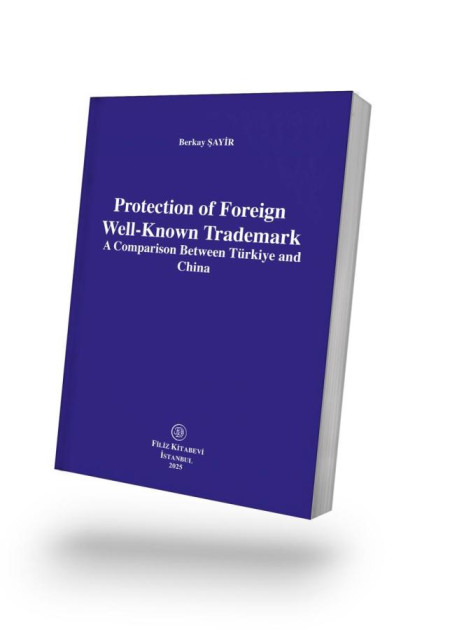

Berkay Şayir
TABLE OF CONTENTS
ACKNOWLEDGMENTS III
PREFACE . V
TABLE OF CONTENTS . VII
TABLE OF FIGURES XI
ABBREVIATIONS . XIII
ABSTRACT . XV
INTRODUCTION 1
Chapter One
Overview of Well-Known Trademark
1. Concept of Trademark 13
1.1. Definition of Trademark . 13
1.1.1. Signs That Can Be Registered 13
1.1.2 Signs That Cannot Be Registered 15
1.1.3. Distinctiveness 16
1.1.4. Method of Protection 19
1.1.5. Translation 20
1.2. International Frameworks . 21
1.3. Historical Background 22
1.3.1. Evolution of Trademark Protection in China 22
1.3.2. Evolution of Trademark Protection in Türkiye . 25
2. Definition of Well-Known Trademarks: Legislation and Judicial Practice 25
2.1. Definition in China . 25
2.2. Definition in Türkiye 27
2.3. Comparison of Definition in Both Countries 29
2.3.1. Similarities 29
2.3.2. Differences 30
2.3.3. Implications 31
3. Characteristics of Well-Known Trademark 32
3.1. Fame Standard 32
3.1.1. Chinese Practice 32
3.1.2. Turkish Practice 33
3.1.3. Comparison of Fame Standard in Both Countries 34
3.1.3.1. Similarities 34
3.1.3.2. Differences 35
3.1.3.3. Implications . 35
3.2. Scope Standard . 36
3.2.1. Chinese Practice 36
3.2.2. Turkish Practice 37
3.2.3. Comparison of Scope Standard in Both Countries 37
3.2.3.1. Similarities 37
3.2.3.2. Differences 38
3.2.3.3. Implications . 39
3.3. Value Standard . 40
3.3.1. Chinese Practice 40
3.3.2. Turkish Practice 40
3.3.3. Comparison of Value Standard in Both Countries 41
3.3.3.1. Similarities 41
3.3.3.2. Differences 41
3.3.3.3. Implications . 42
Chapter Two
Determination of Well-Known Trademark
1. Determination Concept . 43
2. Determination of Well-Known Trademarks in China 45
2.1. Determination by Administrative Process 46
2.2. Determination by Judicial Process 48
3. Determination of Well-Known Trademarks in Türkiye . 51
3.1. Determination by Administrative Process 51
3.2. Determination by Judicial Process 54
4. Comparison of Two Legal Systems 59
4.1. Similarities 59
4.2. Differences . 60
4.3. Implications 62
Chapter Three
Protection of Registered Foreign Well-Known Trademark
1. Registration of Foreign Trademark 65
1.1. National- International Application 66
1.2. Trademark Application Examination 69
1.3. Trademark Application Opposition 70
2. Protection of Registered Foreign Well-Known Trademark in China . 72
2.1. Protection in Terms of Trademark Law 72
2.1.1. Non-use of the Trademark in Bad Faith 74
2.1.2. Trademark Piracy 75
2.1.3. Counterfeiting . 76
2.1.4. Trademarking Usage: Enterprise Name 77
2.1.5. As a Defense: Fair-use 77
2.2. Administrative Regulations 78
2.3. Criminal Law of China . 79
3. Protection of Registered Foreign Well-Known Trademarks in Türkiye . 81
3.1. Protection in Terms of Trademark Law 81
3.1.1. Non-use of the Trademark in Bad Faith 82
3.1.2. Trademark Piracy 82
3.1.3. Counterfeiting . 84
3.1.4. Trademarking Usage: Enterprise Name 85
3.1.5. As a Defense: Fair-use 86
3.2. Administrative Regulations 87
3.3. Criminal Law of Türkiye 88
4. Comparison of Two Legal Systems 90
4.1. Similarities 90
4.2. Differences . 94
4.3. Implications 97
Chapter Four
Protection of Unregistered Foreign Well-Known Trademark
1. The Protection of Unregistered Foreign Well-Known Trademark in China 101
1.1. Priority Rights. 104
1.2. Trademark Squatting 105
1.3. Trademark Dilution 106
1.4. Domain Name Grabbing . 107
2. The Protection of Unregistered Foreign Well-Known Trademark in Türkiye 108
2.1. Priority Rights. 110
2.2. Trademark Squatting 110
2.3. Trademark Dilution 112
2.4. Domain Name Grabbing . 113
3. Comparison of Two Legal Systems 114
3.1. Similarities 114
3.2. Differences . 116
3.3. Implications 118
Conclusion 123
Bibliography . 127
Berkay Şayir
TABLE OF CONTENTS
ACKNOWLEDGMENTS III
PREFACE . V
TABLE OF CONTENTS . VII
TABLE OF FIGURES XI
ABBREVIATIONS . XIII
ABSTRACT . XV
INTRODUCTION 1
Chapter One
Overview of Well-Known Trademark
1. Concept of Trademark 13
1.1. Definition of Trademark . 13
1.1.1. Signs That Can Be Registered 13
1.1.2 Signs That Cannot Be Registered 15
1.1.3. Distinctiveness 16
1.1.4. Method of Protection 19
1.1.5. Translation 20
1.2. International Frameworks . 21
1.3. Historical Background 22
1.3.1. Evolution of Trademark Protection in China 22
1.3.2. Evolution of Trademark Protection in Türkiye . 25
2. Definition of Well-Known Trademarks: Legislation and Judicial Practice 25
2.1. Definition in China . 25
2.2. Definition in Türkiye 27
2.3. Comparison of Definition in Both Countries 29
2.3.1. Similarities 29
2.3.2. Differences 30
2.3.3. Implications 31
3. Characteristics of Well-Known Trademark 32
3.1. Fame Standard 32
3.1.1. Chinese Practice 32
3.1.2. Turkish Practice 33
3.1.3. Comparison of Fame Standard in Both Countries 34
3.1.3.1. Similarities 34
3.1.3.2. Differences 35
3.1.3.3. Implications . 35
3.2. Scope Standard . 36
3.2.1. Chinese Practice 36
3.2.2. Turkish Practice 37
3.2.3. Comparison of Scope Standard in Both Countries 37
3.2.3.1. Similarities 37
3.2.3.2. Differences 38
3.2.3.3. Implications . 39
3.3. Value Standard . 40
3.3.1. Chinese Practice 40
3.3.2. Turkish Practice 40
3.3.3. Comparison of Value Standard in Both Countries 41
3.3.3.1. Similarities 41
3.3.3.2. Differences 41
3.3.3.3. Implications . 42
Chapter Two
Determination of Well-Known Trademark
1. Determination Concept . 43
2. Determination of Well-Known Trademarks in China 45
2.1. Determination by Administrative Process 46
2.2. Determination by Judicial Process 48
3. Determination of Well-Known Trademarks in Türkiye . 51
3.1. Determination by Administrative Process 51
3.2. Determination by Judicial Process 54
4. Comparison of Two Legal Systems 59
4.1. Similarities 59
4.2. Differences . 60
4.3. Implications 62
Chapter Three
Protection of Registered Foreign Well-Known Trademark
1. Registration of Foreign Trademark 65
1.1. National- International Application 66
1.2. Trademark Application Examination 69
1.3. Trademark Application Opposition 70
2. Protection of Registered Foreign Well-Known Trademark in China . 72
2.1. Protection in Terms of Trademark Law 72
2.1.1. Non-use of the Trademark in Bad Faith 74
2.1.2. Trademark Piracy 75
2.1.3. Counterfeiting . 76
2.1.4. Trademarking Usage: Enterprise Name 77
2.1.5. As a Defense: Fair-use 77
2.2. Administrative Regulations 78
2.3. Criminal Law of China . 79
3. Protection of Registered Foreign Well-Known Trademarks in Türkiye . 81
3.1. Protection in Terms of Trademark Law 81
3.1.1. Non-use of the Trademark in Bad Faith 82
3.1.2. Trademark Piracy 82
3.1.3. Counterfeiting . 84
3.1.4. Trademarking Usage: Enterprise Name 85
3.1.5. As a Defense: Fair-use 86
3.2. Administrative Regulations 87
3.3. Criminal Law of Türkiye 88
4. Comparison of Two Legal Systems 90
4.1. Similarities 90
4.2. Differences . 94
4.3. Implications 97
Chapter Four
Protection of Unregistered Foreign Well-Known Trademark
1. The Protection of Unregistered Foreign Well-Known Trademark in China 101
1.1. Priority Rights. 104
1.2. Trademark Squatting 105
1.3. Trademark Dilution 106
1.4. Domain Name Grabbing . 107
2. The Protection of Unregistered Foreign Well-Known Trademark in Türkiye 108
2.1. Priority Rights. 110
2.2. Trademark Squatting 110
2.3. Trademark Dilution 112
2.4. Domain Name Grabbing . 113
3. Comparison of Two Legal Systems 114
3.1. Similarities 114
3.2. Differences . 116
3.3. Implications 118
Conclusion 123
Bibliography . 127
| Taksit Sayısı | Taksit tutarı | Genel Toplam |
|---|---|---|
| Tek Çekim | 350,00 | 350,00 |
| Taksit Sayısı | Taksit tutarı | Genel Toplam |
|---|---|---|
| Tek Çekim | 350,00 | 350,00 |
| Taksit Sayısı | Taksit tutarı | Genel Toplam |
|---|---|---|
| Tek Çekim | 350,00 | 350,00 |
| Taksit Sayısı | Taksit tutarı | Genel Toplam |
|---|---|---|
| Tek Çekim | 350,00 | 350,00 |