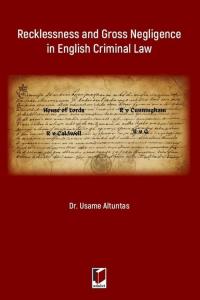

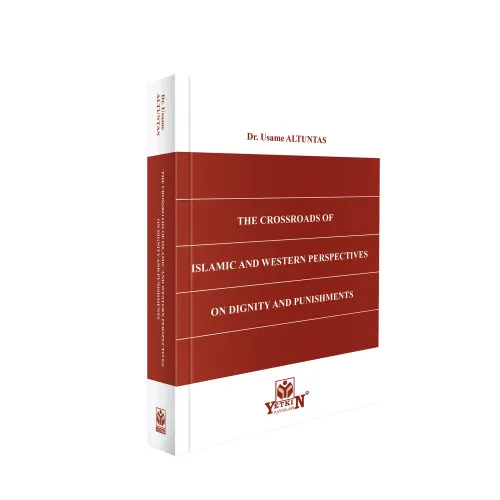
Dr. Usame Altuntas
TABLE OF CONTENTS
ABSTRACT
ABBREVIATIONS
LIST OF STATUTES/BILLS/LEGISLATION
LIST OF THE UN DOCUMENTS
LIST OF CASES
INTRODUCTION
- Introductory Remarks
- Statement of the Book
- Importance of the Book
- The Existing Literature
- Motivations of the Book
- Methodology and Scope
- TWAIL Approaches
- Cross-cultural–Dialogical Approach
- Legal Pluralism
- Methods
- Limitations of the Book
- Book Outline
CHAPTER 1: HUMAN DIGNITY IN WESTERN HISTORY
1.1. Introduction
1.2. General Remarks
1.3. General Features of Modern Concepts of Human Dignity
1.4. The Concepts of Human Dignity in Western History
1.4.1. Dignity as Virtue
1.4.2. Dignity as Rank or Elevated Status
1.5. The Inherent Worth of Human Beings
1.5.1. The Stoic Account of Human Dignity
1.5.1.1. Before Stoicism
1.5.1.2. Nature and the Cosmos in Stoicism
1.5.1.3. Cicero
1.5.2. Dignity in the Christian Era
1.5.2.1. Early Christianity
1.5.2.2. Pica della Mirandola
1.5.2.3. The Contemporary Christian Concept of Human Dignity
1.5.3. Kant’s Concept of Human Dignity
1.6. Conclusion
CHAPTER 2: HUMAN DIGNITY AND PUNISHMENTS IN THE INTERNATIONAL HUMAN RIGHTS INSTRUMENTS
2.1. Introduction
2.2. The Concepts of Human Dignity
2.3. Universal Declaration of Human Rights
2.3.1. Human Dignity in the UDHR
2.3.2. Human Dignity and Punishments
2.4. International Covenant on Civil and Political Rights
2.4.1. Human Dignity in the Jurisprudence of the Human Rights Committee
2.4.1.1. Article 7: Prohibition of Torture
2.4.1.2. Article 10: Treatment of Persons Deprived of Liberty
2.5. The United Nations Convention against Torture
2.5.1. The Jurisprudence of the Committee Against Torture
2.6. Findings and Results
CHAPTER 3: HUMAN DIGNITY AND JUDICIAL PUNISHMENTS IN REGIONAL HUMAN RIGHTS INSTRUMENTS
3.1. Introduction
3.2. Basic-Dignity and Regional Human Rights Instruments
3.2.1. Ubuntu in the ACHPR and Vita Digna in the ACHR
3.3. Right-to-Dignity in Regional Human Rights Instruments
3.3.1. Absolute Right or Relative Right
3.4. Right-to-Dignity in Judicial Punishments
3.4.1. Death Penalty
3.4.2. Corporal Punishment and Degrading-Dignity
3.4.2.1. Corporal Punishment in the ACHR and the ACHPR
3.4.2.1.1. Doebbler v Sudan Case
3.4.3. Imprisonment
3.4.3.1. Poor Conditions of Imprisonment
3.4.4. Life Imprisonment without Parole
3.4.4.1. Right to hope
3.4.4.2. Disproportionate Punishment
3.4.4.2.1. Constitutional and Criminal Proportionality
3.5. Is Living Instrument Doctrine Damaging to Human Dignity?
3.6. Islamic Declarations of Human Rights
3.6.1. Basic-Dignity
3.6.2. Right-to-Dignity and Degrading-Dignity
3.7. Conclusion
CHAPTER 4: KARAMA AND SHARIA PUNISHMENTS IN ISLAM
4.1. Introduction
4.2. Why Do We Need to Have an Islamic Concept of Human Dignity
4.3. Human Dignity and Islamic Concepts
4.3.1. Three Concepts of Karama
4.3.1.1. Natural Karama (Basic Dignity)
4.3.1.2. Sharia-Karama (Right-to-Dignity and Degrading Dignity)
4.3.1.3. Righteousness Karama
4.4. Sharia Punishments and Karama
4.4.1. Sharia Punishments
4.4.2. Implementation of Sharia Punishments across the Islamic World
4.4.3. Karama and Sharia Punishments
4.4.3.1. Hudud and Karama
4.4.3.1.1. The Application of Hudud Punishments
4.4.3.1.2. Sharia Punishments and Pain
4.4.3.1.3. The Aims of Sharia Punishments
4.4.3.1.4. Personality of the Offender
4.4.3.1.5. Modern Approach to Hudud Punishments
4.4.3.2. Qisas and Karama
4.4.3.3. Tazir and Karama
4.5. Conclusion
CHAPTER 5: SHARIA, HUMAN DIGNITY, AND INTERNATIONAL LAW: TWAIL REFLECTIONS ON THE AL HASSAN CASE
5.1. Introduction
5.2. Challenges of Integrating Sharia Law within the ICC Framework
5.3. Al Hassan Case
5.3.1. Overview
5.3.2. Key Actors and Their Approaches to Dignity and Punishment in Al Hassan Case
5.3.2.1. Malian State
5.3.2.2. MNLA
5.3.2.3. AQIM
5.3.2.4. Ansar Dine
5.3.2.5. People of Timbuktu
5.3.3. Charges against Mr. Al Hassan
5.4. Analysis of Judicial Reasoning
5.4.1. Prosecution and Pre-Trial Judgment
5.4.2. Defence
5.4.2.1. Islamic Law
5.4.2.2. Lawful Sanction
5.4.2.3. Legal Pluralism
5.4.3. Trial Judgment
5.4.3.1. Judge Tomoko Akane
5.4.3.2. Judge Mindua
5.4.3.2.1. Death Penalty, Flogging, and Amputation
5.4.3.2.2. Sharia Punishments in Islam
5.5. Analysis and Results
CONCLUSION
BIBLIOGRAPHY
Dr. Usame Altuntas
TABLE OF CONTENTS
ABSTRACT
ABBREVIATIONS
LIST OF STATUTES/BILLS/LEGISLATION
LIST OF THE UN DOCUMENTS
LIST OF CASES
INTRODUCTION
- Introductory Remarks
- Statement of the Book
- Importance of the Book
- The Existing Literature
- Motivations of the Book
- Methodology and Scope
- TWAIL Approaches
- Cross-cultural–Dialogical Approach
- Legal Pluralism
- Methods
- Limitations of the Book
- Book Outline
CHAPTER 1: HUMAN DIGNITY IN WESTERN HISTORY
1.1. Introduction
1.2. General Remarks
1.3. General Features of Modern Concepts of Human Dignity
1.4. The Concepts of Human Dignity in Western History
1.4.1. Dignity as Virtue
1.4.2. Dignity as Rank or Elevated Status
1.5. The Inherent Worth of Human Beings
1.5.1. The Stoic Account of Human Dignity
1.5.1.1. Before Stoicism
1.5.1.2. Nature and the Cosmos in Stoicism
1.5.1.3. Cicero
1.5.2. Dignity in the Christian Era
1.5.2.1. Early Christianity
1.5.2.2. Pica della Mirandola
1.5.2.3. The Contemporary Christian Concept of Human Dignity
1.5.3. Kant’s Concept of Human Dignity
1.6. Conclusion
CHAPTER 2: HUMAN DIGNITY AND PUNISHMENTS IN THE INTERNATIONAL HUMAN RIGHTS INSTRUMENTS
2.1. Introduction
2.2. The Concepts of Human Dignity
2.3. Universal Declaration of Human Rights
2.3.1. Human Dignity in the UDHR
2.3.2. Human Dignity and Punishments
2.4. International Covenant on Civil and Political Rights
2.4.1. Human Dignity in the Jurisprudence of the Human Rights Committee
2.4.1.1. Article 7: Prohibition of Torture
2.4.1.2. Article 10: Treatment of Persons Deprived of Liberty
2.5. The United Nations Convention against Torture
2.5.1. The Jurisprudence of the Committee Against Torture
2.6. Findings and Results
CHAPTER 3: HUMAN DIGNITY AND JUDICIAL PUNISHMENTS IN REGIONAL HUMAN RIGHTS INSTRUMENTS
3.1. Introduction
3.2. Basic-Dignity and Regional Human Rights Instruments
3.2.1. Ubuntu in the ACHPR and Vita Digna in the ACHR
3.3. Right-to-Dignity in Regional Human Rights Instruments
3.3.1. Absolute Right or Relative Right
3.4. Right-to-Dignity in Judicial Punishments
3.4.1. Death Penalty
3.4.2. Corporal Punishment and Degrading-Dignity
3.4.2.1. Corporal Punishment in the ACHR and the ACHPR
3.4.2.1.1. Doebbler v Sudan Case
3.4.3. Imprisonment
3.4.3.1. Poor Conditions of Imprisonment
3.4.4. Life Imprisonment without Parole
3.4.4.1. Right to hope
3.4.4.2. Disproportionate Punishment
3.4.4.2.1. Constitutional and Criminal Proportionality
3.5. Is Living Instrument Doctrine Damaging to Human Dignity?
3.6. Islamic Declarations of Human Rights
3.6.1. Basic-Dignity
3.6.2. Right-to-Dignity and Degrading-Dignity
3.7. Conclusion
CHAPTER 4: KARAMA AND SHARIA PUNISHMENTS IN ISLAM
4.1. Introduction
4.2. Why Do We Need to Have an Islamic Concept of Human Dignity
4.3. Human Dignity and Islamic Concepts
4.3.1. Three Concepts of Karama
4.3.1.1. Natural Karama (Basic Dignity)
4.3.1.2. Sharia-Karama (Right-to-Dignity and Degrading Dignity)
4.3.1.3. Righteousness Karama
4.4. Sharia Punishments and Karama
4.4.1. Sharia Punishments
4.4.2. Implementation of Sharia Punishments across the Islamic World
4.4.3. Karama and Sharia Punishments
4.4.3.1. Hudud and Karama
4.4.3.1.1. The Application of Hudud Punishments
4.4.3.1.2. Sharia Punishments and Pain
4.4.3.1.3. The Aims of Sharia Punishments
4.4.3.1.4. Personality of the Offender
4.4.3.1.5. Modern Approach to Hudud Punishments
4.4.3.2. Qisas and Karama
4.4.3.3. Tazir and Karama
4.5. Conclusion
CHAPTER 5: SHARIA, HUMAN DIGNITY, AND INTERNATIONAL LAW: TWAIL REFLECTIONS ON THE AL HASSAN CASE
5.1. Introduction
5.2. Challenges of Integrating Sharia Law within the ICC Framework
5.3. Al Hassan Case
5.3.1. Overview
5.3.2. Key Actors and Their Approaches to Dignity and Punishment in Al Hassan Case
5.3.2.1. Malian State
5.3.2.2. MNLA
5.3.2.3. AQIM
5.3.2.4. Ansar Dine
5.3.2.5. People of Timbuktu
5.3.3. Charges against Mr. Al Hassan
5.4. Analysis of Judicial Reasoning
5.4.1. Prosecution and Pre-Trial Judgment
5.4.2. Defence
5.4.2.1. Islamic Law
5.4.2.2. Lawful Sanction
5.4.2.3. Legal Pluralism
5.4.3. Trial Judgment
5.4.3.1. Judge Tomoko Akane
5.4.3.2. Judge Mindua
5.4.3.2.1. Death Penalty, Flogging, and Amputation
5.4.3.2.2. Sharia Punishments in Islam
5.5. Analysis and Results
CONCLUSION
BIBLIOGRAPHY
| Taksit Sayısı | Taksit tutarı | Genel Toplam |
|---|---|---|
| Tek Çekim | 727,50 | 727,50 |
| Taksit Sayısı | Taksit tutarı | Genel Toplam |
|---|---|---|
| Tek Çekim | 727,50 | 727,50 |
| Taksit Sayısı | Taksit tutarı | Genel Toplam |
|---|---|---|
| Tek Çekim | 727,50 | 727,50 |
| Taksit Sayısı | Taksit tutarı | Genel Toplam |
|---|---|---|
| Tek Çekim | 727,50 | 727,50 |
-
%5İNDİRİM240,00TL 228,00TL